 RigLoot
Raid: Shadow Legends Review: A Gorgeous Gacha Grind You've Definitely Heard About
Plarium's meme-famous RPG looks the part and hooks hard - but it's close to the epitome of pay-to-win, and the grind never really stops.
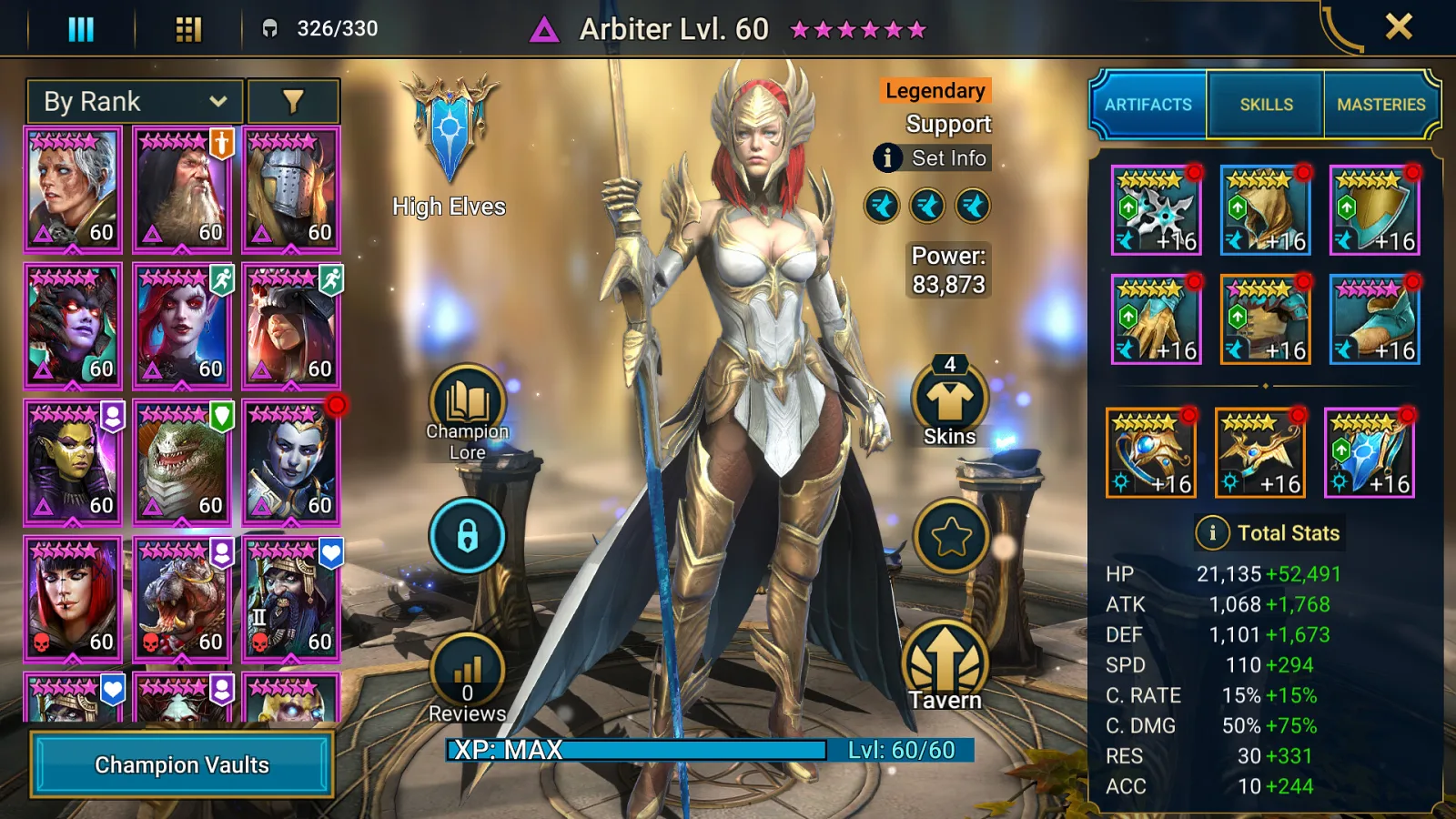
Image: · © Plarium · Editorial/press use (official Steam media)
Reviews verdict
Plarium's meme-famous RPG looks the part and hooks hard - but it's close to the epitome of pay-to-win, and the grind never really stops.
You have seen the ads. Raid: Shadow Legends became an internet punchline for its wall-to-wall YouTube and Twitch sponsorships, but underneath the memes is a real, surprisingly polished turn-based RPG from Israeli studio Plarium. We tested the Windows client, and it is a handsome, deep collector's game strapped to one of the more aggressive monetization engines in the genre.
Gameplay
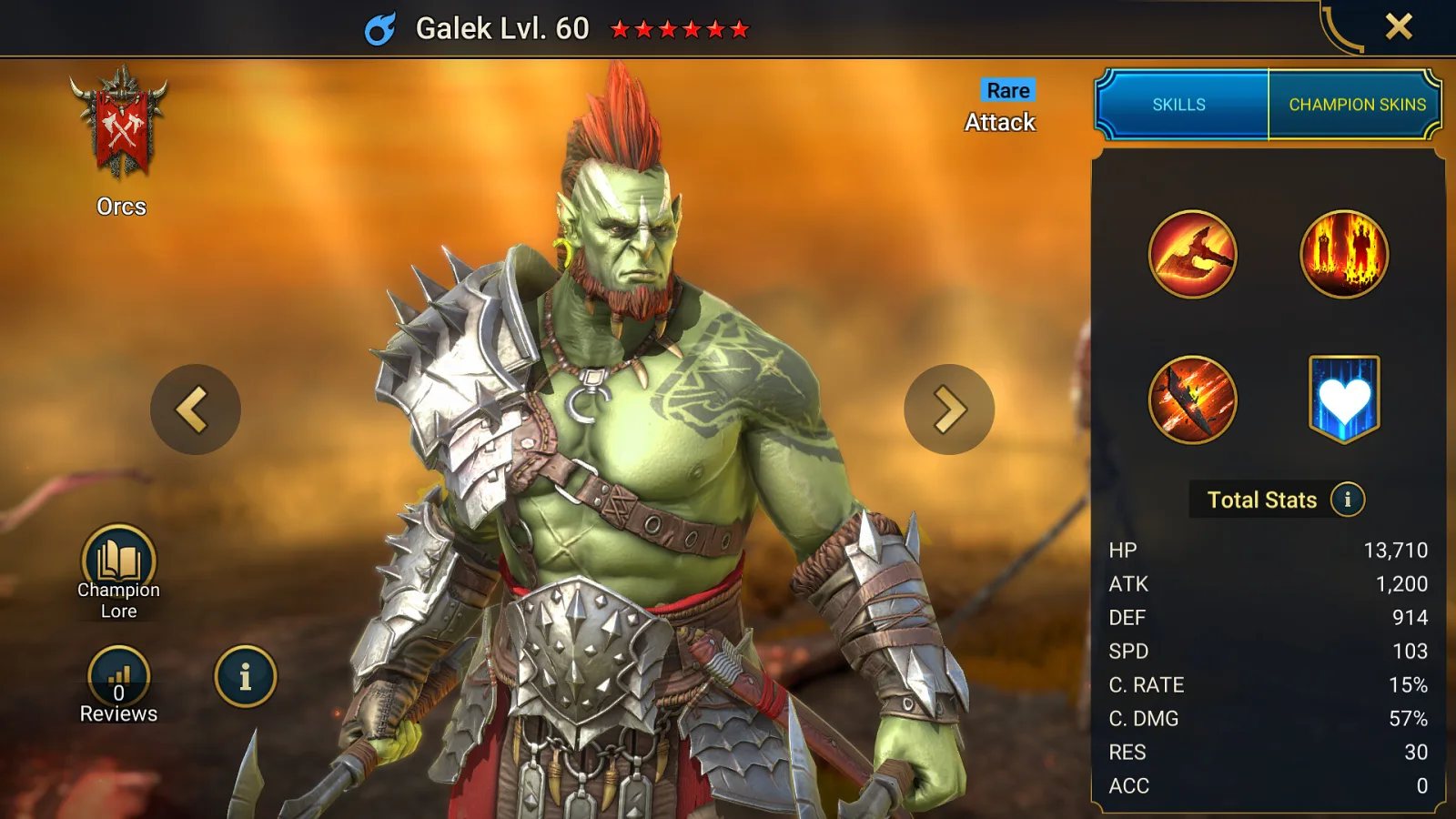
At its core, Raid is a turn-based fantasy RPG built around collecting Champions - hundreds of them, pulled from shards in classic gacha fashion. You assemble teams of four, exploit turn-meter mechanics, elemental affinities and status effects, and grind through a story campaign set in the realm of Teleria. Combat is more tactical than it first appears: buff and debuff stacking, speed tuning and team synergy separate a good roster from a great one, especially against the endgame Clan Boss and arena defenses. Champions come in factions and rarities, and learning which cheap, common heroes punch above their weight is a big part of playing smart rather than paying. Early on the campaign is a gentle power fantasy; a few dozen hours in, it becomes a genuine puzzle of stats, gear sets and turn order.
Content and progression
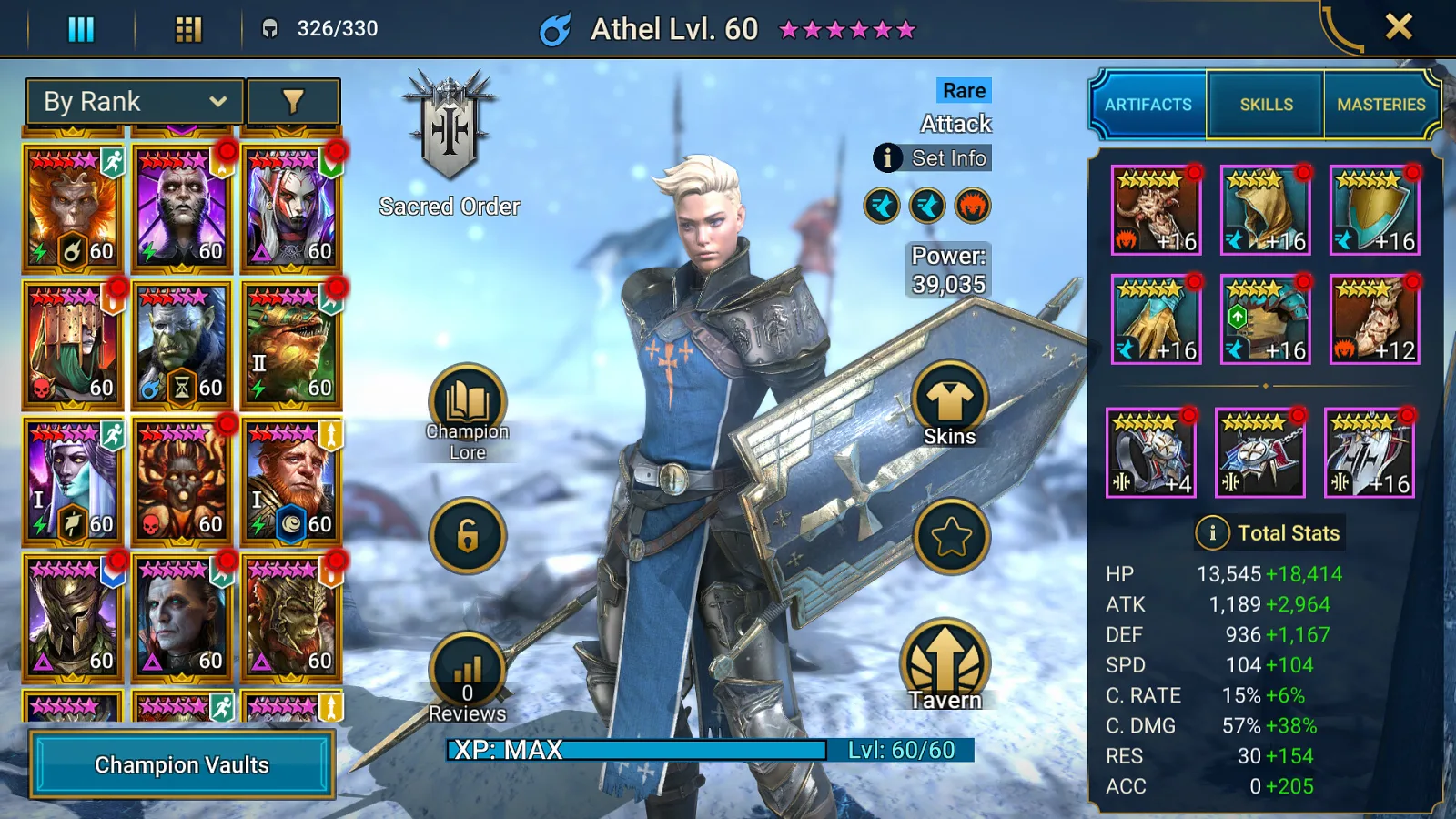
There is a mountain of content - campaign chapters, elemental dungeons, the Spider and Fire Knight bosses, Faction Wars, Doom Tower and endless arena PvP. Progression runs through ascending and leveling Champions, farming and optimizing artifact gear, and unlocking masteries. It is the kind of game you can play for years, which is exactly the point: the systems are engineered to keep you logging in daily. Auto-battle and battle-speed options make the daily chores bearable, and the gear-optimization metagame - hunting perfect artifact substats - is deep enough to sustain spreadsheet-tier obsession. The flip side is that much of that content is a wall of repeated runs, and the game rarely pretends otherwise.
Raid gives you a beautiful stable of heroes and then quietly makes it clear that the best ones, fully geared, are far easier to reach with a credit card.
Tech and monetization
The PC port (2020) upscales the console-quality character models nicely, and the presentation is genuinely a cut above most mobile RPGs. It is free to play, using an easily-earned Silver currency alongside hard-to-get Gems. This is where the honesty has to come in: multiple reviewers have described Raid as the epitome of pay-to-win, and progress without spending is slow and grind-heavy by design. Energy limits, summon rates and constant bundle offers all point the same direction - your wallet. Plarium also drew criticism over disclosure practices in its influencer campaigns.
Who it's for
Hardcore gacha and RPG fans who enjoy roster-building, theorycrafting and daily optimization will find a lot to sink into here - and yes, you can grind it free if you are patient and disciplined. Anyone allergic to microtransactions or repetitive grind should stay away.
Verdict
Raid: Shadow Legends is better than its meme reputation, with real tactical depth and standout production values. But it is also a textbook example of aggressive free-to-play design, where the fun is real and the pressure to pay is relentless. Enjoyable if you set your own limits; exhausting if you do not. 6.2/10.
Pros
- Excellent production values and character design for the genre
- Genuinely deep, tactical turn-based combat
- Huge amount of long-term content and roster-building
Cons
- Aggressive, pay-to-win-leaning monetization
- Slow, repetitive grind without spending
- Energy and summon systems designed to nudge purchases